Choosing triple pane vs double pane windows for a Toronto custom home is not simply a choice between good and better. Triple glazing can reduce heat transfer and improve comfort near large windows, but the right purchase depends on the complete window, the room and the installation. A third pane does not replace thoughtful solar control or make every upgrade worth its price.
Start with two comparable window proposals, then ask what the upgrade changes in the rooms you will actually use. This guide gives you a way to compare those proposals before the window order is approved.
Triple pane vs double pane windows: compare the complete unit
Double glazing has two panes of glass; triple glazing has three. The spaces between them, coatings, spacers and frame all affect performance. That is why a pane count is a useful description, but an incomplete specification.
Ask for the certified rating of the proposed window configuration, not just a glass brochure. A value measured at the centre of the glass excludes the frame and glass edge. It should not be compared directly with a rating for the entire window.
Natural Resources Canada’s window rating definitions explain the main numbers. For your shortlist, concentrate on these:
- U-factor: how readily heat passes through the window. Lower is better for limiting heat transfer. Compare values in the same units.
- Solar heat gain coefficient, or SHGC: how much solar heat enters. Lower is not automatically better for every elevation; orientation and shading matter.
- Visible transmittance, or VT: how much visible light passes through. Check it alongside the appearance of actual glass samples.
- Air leakage: a separate consideration from heat transfer through the materials. Confirm the proposed product’s rating and the installation details.
Record the manufacturer, product series, operating style and glazing package beside each number. A fixed picture window and an opening casement are not interchangeable entries in a comparison, even if their outside dimensions match.
When winter comfort makes the upgrade more valuable
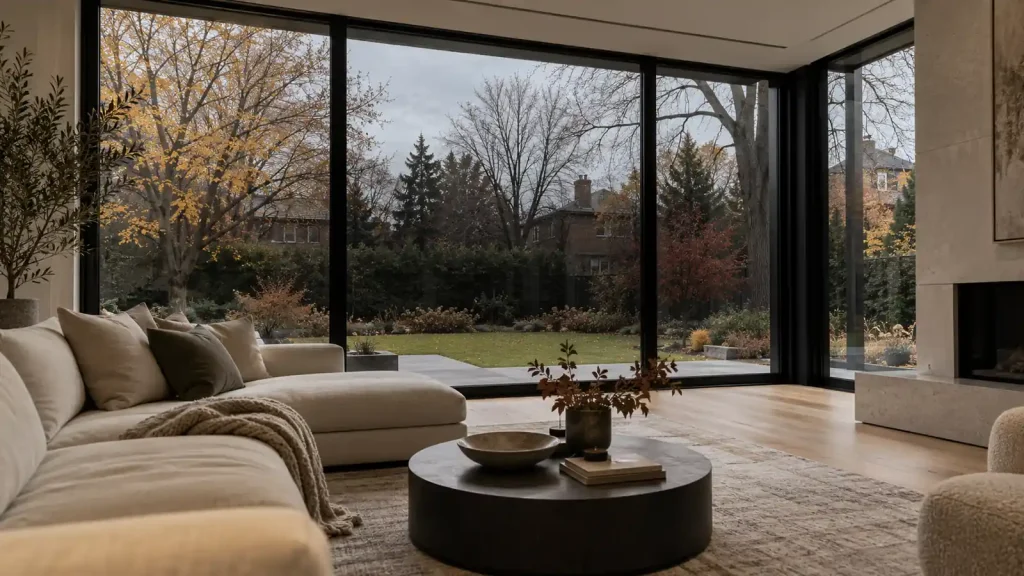
A large window beside a reading chair deserves different attention from a small window in a passageway. Better insulating glazing can keep the inside glass surface warmer in cold weather, making the area near it more comfortable. The practical question is where people will sit, work or sleep, not only how much glass appears on the elevation.

That is not a rule that every north facing window must be triple glazed. Window area, frame performance, room layout and the building’s overall design still matter. Where the project has an energy target, assess the window package within the broader Net Zero home plan, rather than treating triple glazing as a complete energy strategy.
For a sunny room, review solar gain before adding glass
Triple glazing and solar control answer different questions. A window can limit heat loss well while still admitting substantial solar heat. In a room exposed to strong afternoon sun, the glass coating, SHGC, window area and shading deserve their own review.
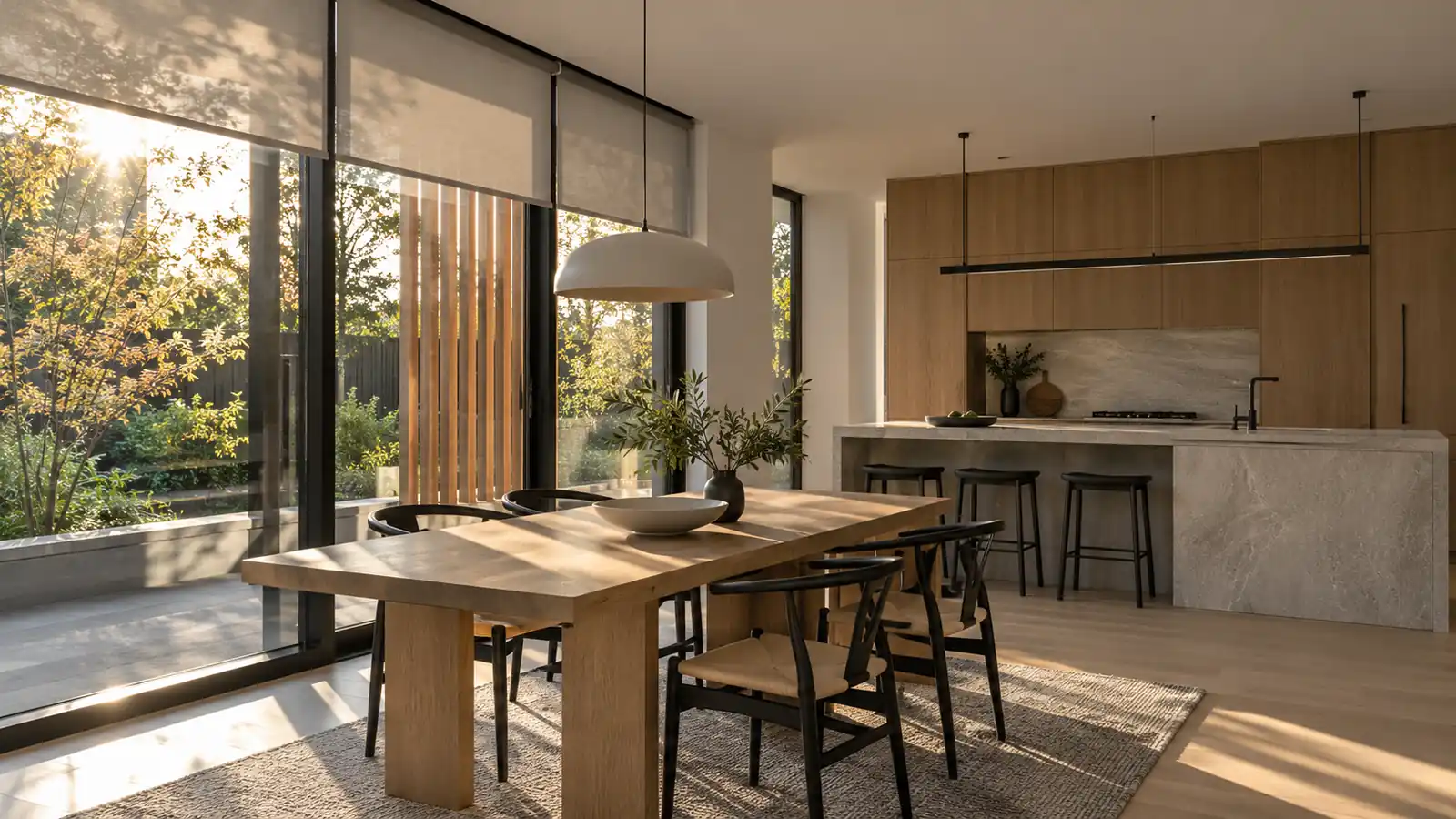
- If afternoon heat is the concern: review solar gain and shading with the design team.
- If winter comfort near the glass is the concern: compare complete window U-factors and the amount of glazing beside occupied areas.
- If both matter: evaluate the combination, rather than choosing the lowest value in one column.
Give the final window specifications to the person preparing the heating and cooling calculations. A change in glazing area or solar performance can affect the room’s loads, so it belongs in HVAC planning before construction, not just the finishes list.
Use one comparison sheet for both window quotes
Ask suppliers to price the same opening schedule and clearly identify every difference. Fill the blank columns below with their written information. These are comparison inputs, not performance targets or price estimates.
| Item to confirm | Double pane proposal | Triple pane proposal |
|---|---|---|
| Product series, frame and operation | Supplier to complete | Supplier to complete |
| Opening sizes and quantities | Supplier to complete | Supplier to complete |
| Complete window U-factor and units | Supplier to complete | Supplier to complete |
| SHGC and visible transmittance | Supplier to complete | Supplier to complete |
| Air leakage rating and test basis | Supplier to complete | Supplier to complete |
| Glazing package and spacer | Supplier to complete | Supplier to complete |
| Installation, flashing and finishing scope | Supplier to complete | Supplier to complete |
| Delivery, warranty and exclusions | Supplier to complete | Supplier to complete |
| Total installed price and taxes | Enter written quote | Enter written quote |
Calculate the upgrade premium only after the scope matches. If one quote includes a different frame, larger openings or additional finishing, the price difference is not solely the cost of the third pane. Ask the supplier to separate those changes.
Then decide what you are buying with the premium: a documented performance improvement, comfort in particular rooms, or support for the building’s energy target. Keep that decision within the overall custom home construction budget. There is no defensible universal payback period without project-specific costs, energy modelling and operating assumptions.
Check the details that pane count cannot settle
Before choosing a package, ask about these practical limitations. They can change the recommendation even when one proposal has a better thermal rating.
Noise needs separate evidence
If road noise is the main problem, ask for acoustic test information for the actual assembly being proposed. Do not assume the best thermal performer is also the quietest. Have the supplier explain what the available rating covers and whether it applies to your window size and opening style.
Condensation is not a pane count guarantee
Warmer interior glass can reduce condensation risk, but indoor moisture, airflow and outdoor temperature still matter. Triple glazing should not be sold as a promise of permanently dry glass. Persistent moisture calls for an assessment of the cause, not an automatic window upgrade.
Installation must match the wall design
Confirm who is responsible for flashing, drainage, insulation and the connection to the wall’s air barrier. NRCan’s guidance on windows and exterior doors highlights the importance of proper installation. A product rating does not certify the completed opening in your house.
Size and operation still need approval
Ask the manufacturer to confirm that the selected glazing is available in the required dimensions and operating style. Check handling, hardware, screens and service access before approval. Do not accept an attractive sample as confirmation that every large opening can use the same configuration.
Make the window decision ready for ordering
The useful outcome is an approved schedule, not a verbal preference for two or three panes. Work through this sequence with the people responsible for your design and order:
- Mark the rooms: note orientation, large glazed areas, seating positions and the main comfort concern.
- Compare equivalent products: collect complete window ratings and matching installation scopes.
- Resolve design differences: review solar gain, shading, opening sizes and performance requirements.
- Approve the exact package: record product codes, glass specifications, dimensions, colour and operation.
- Confirm the release date: obtain current lead times and identify who must approve changes before ordering.
Add the approved specification and its decision deadline to your custom home selections schedule. If the supplier proposes a substitution, compare it against that record before accepting it.
For a new build, bring your window priorities into the design discussion with a custom home builder in Toronto. Explain where comfort, daylight or noise matters most. A clear brief makes it easier to judge the proposals without assuming that the most expensive glazing package is automatically the right one.