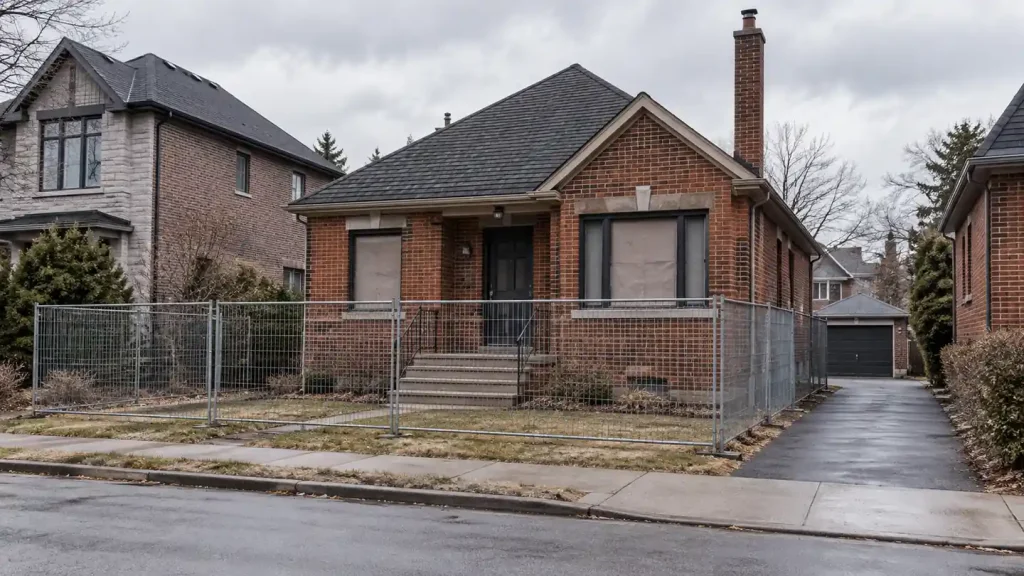
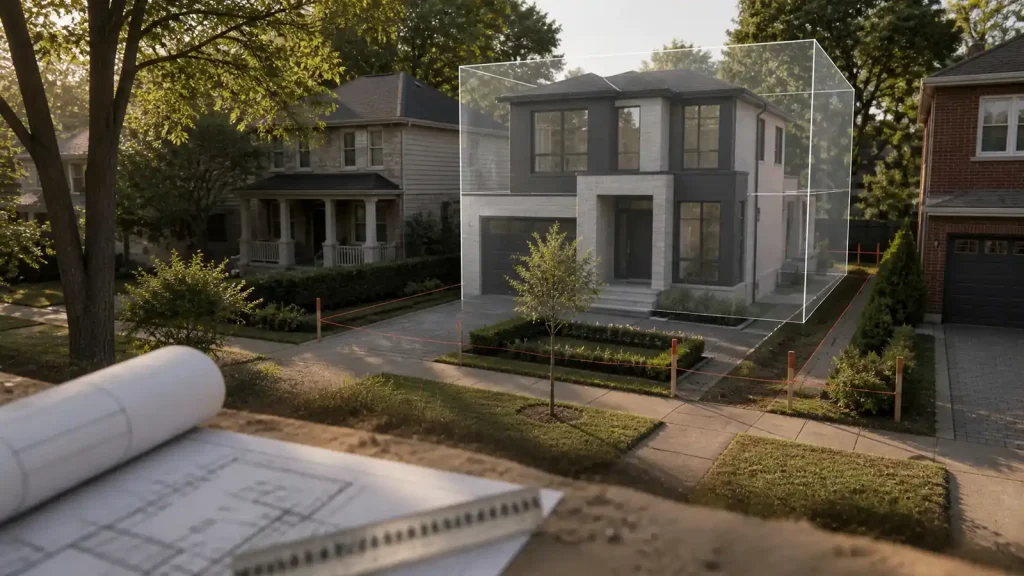
Choosing between a fixed price vs cost plus construction contract is not simply a choice between certainty and flexibility. The contract model determines which information must be complete before work begins, how project changes are recorded, what the homeowner can verify during construction, and who carries the effect of unresolved decisions.
For an Ontario custom home, the better structure depends on the readiness of the drawings, the number of selections still open, the condition of the property, and the level of involvement the homeowner expects. A clear contract can support either model. A vague scope can create problems under both.
Homeowners can review the custom home services provided by Xavieras while considering which project structure and level of coordination fit their plans.
Fixed Price vs Cost Plus Construction Contract: What the Owner Must Manage
A fixed price contract starts with an agreed amount for a defined scope. A cost plus contract reimburses eligible project costs and adds the contractor’s agreed fee. That basic distinction changes what needs the most attention.
This fixed price vs cost plus construction contract comparison helps homeowners see where scope certainty, documentation, changes, and unresolved decisions are handled differently.
| Decision Area | Fixed Price | Cost Plus |
|---|---|---|
| Best starting point | Developed drawings, specifications, and selections | A project where some details must continue to develop |
| Main owner focus | Confirming what the stated scope includes and excludes | Reviewing records, commitments, fees, and the current forecast |
| Changes | Usually documented as an adjustment to the agreed scope | Flow through actual project costs under the contract rules |
| Unknown conditions | Need clear assumptions and treatment in the contract | Remain an owner exposure unless another arrangement applies |
| Administration | Strong change control and scope tracking | Consistent open book reporting and cost classification |
The label alone does not show whether a proposal is well controlled. The drawings, definitions, exclusions, reporting rules, and change process reveal how the arrangement will work in practice.
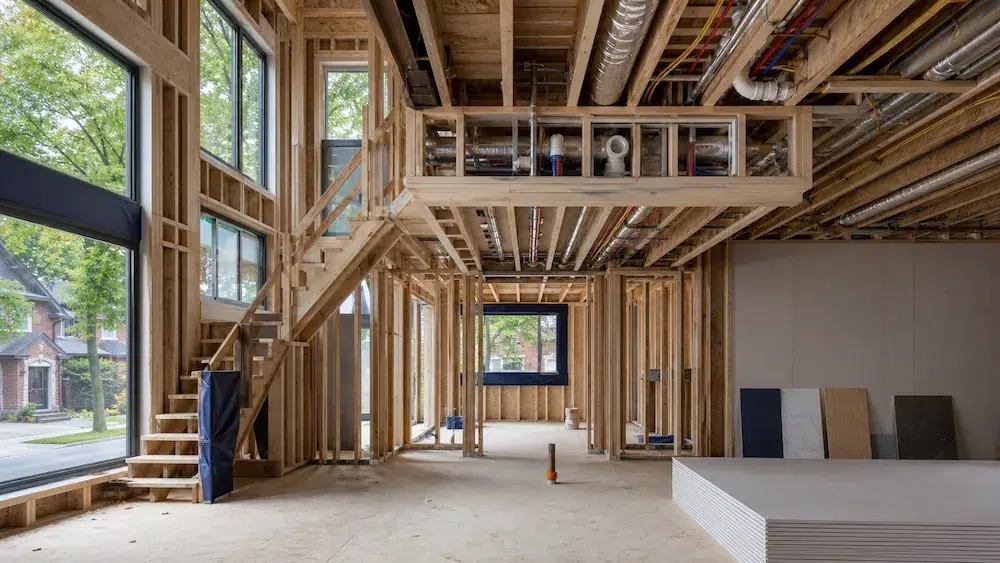
Fixed Price Works Best When the Scope Is Ready
A fixed price contract is most reliable when the builder can review a coordinated package before committing to the work. That package may include architectural and structural drawings, relevant mechanical information, finish specifications, site information, and decisions about major products.
CCDC describes its stipulated price contract as an agreement where the owner pays a single, predetermined amount for the defined work. The official CCDC 2 Stipulated Price Contract page also identifies matters such as changes, allowances, payment, and dispute resolution as parts of the contract framework.
Predetermined does not mean that every future event is automatically included. An owner requested revision, an allowance adjustment, an excluded item, or a site condition addressed separately by the agreement may still change the contract amount or schedule.
The practical test is whether the builder and homeowner can point to the same documents and reach the same understanding of the finished home. If important rooms, materials, or technical details remain undefined, a fixed price may contain broad qualifications that reduce the certainty the homeowner expected.
Cost Plus Requires More Than Open Book Invoices
In a fixed price vs cost plus construction contract comparison, the cost plus structure requires the owner to pay the eligible cost of the work together with the contractor’s agreed fee. Depending on the agreement, that fee may be a fixed amount, a percentage, or another clearly defined calculation. CCDC lists cost plus as a distinct standard contract model in its official construction documents catalogue.
Cost plus can suit a project where design decisions are still developing or where existing conditions make the full scope difficult to define at the outset. It allows procurement and construction decisions to respond to information as it becomes available.
That flexibility needs disciplined administration. A stack of invoices is not a complete project report. The homeowner should be able to see what has been spent, what has been committed but not yet invoiced, which decisions remain open, how the contractor’s fee is calculated, and what the current forecast includes.
The contract should also define the cost of the work. Labour, trade invoices, material purchases, equipment, supervision, temporary services, insurance, and administrative expenses should not be left to informal interpretation after construction starts.
The Same Design Change Behaves Differently
Consider a homeowner who revises the kitchen after cabinetry coordination has begun. The new layout affects cabinets, electrical locations, plumbing, lighting, and possibly ventilation.
Under a fixed price contract, the team would normally identify the difference from the agreed documents and prepare a written change before the revised work proceeds. The change record should address both the scope and any effect on the schedule.
Under a cost plus contract, the resulting labour, materials, consultant work, and trade revisions may enter the project records as actual costs. The contract still needs a written approval process. Cost plus should not turn a design conversation into permission to proceed without a documented decision.
This example does not make one model automatically better. It shows why a fixed price vs cost plus construction contract comparison should include the complete path from a drawing revision to an approved construction instruction and the final project records.

Incomplete Drawings Shift Risk in Different Ways
Incomplete drawings are one of the most important considerations when reviewing a fixed price vs cost plus construction contract. An architectural set may be advanced while structural details, mechanical routes, cabinetry, lighting, or finish selections are still being coordinated. The contract should reflect that reality rather than treating every page as equally complete.
In a fixed price proposal, unresolved information may appear as an allowance, exclusion, assumption, or qualification. These items deserve as much attention as the total because they identify where later decisions may affect the agreement.
In cost plus, incomplete information does not require the builder to predict every final choice. It does, however, leave more exposure with the owner. The reporting system and decision schedule become essential because flexibility without a current forecast can make the project difficult to manage.
Before choosing the model, ask which drawings are suitable for construction, which remain subject to coordination, and which owner selections have not been made. The answer often matters more than the percentage of drawings labelled complete.
Allowances Do Not Turn Fixed Price Into Cost Plus
When reviewing a fixed price vs cost plus construction contract, remember that an allowance is a placeholder for a defined part of the project that has not been finally selected or priced. A fixed price contract can contain allowances for cabinetry, tile, lighting fixtures, or other selections while the rest of the work remains stipulated.
Each allowance should state what it covers. Supply, delivery, installation, accessories, waste, and the treatment of differences should not be assumed. A low information allowance transfers a decision into the future without explaining the consequences.
The Xavieras custom home builder quote checklist explains how to review drawings, scope, allowances, exclusions, site assumptions, and responsibilities before comparing proposals. That review should happen before the pricing model is treated as the main point of comparison.
A Guaranteed Maximum Price Is Not Just Another Name
Some projects use a cost plus structure with a guaranteed maximum price. The contractor is paid according to the agreed cost plus rules, but the contract also establishes a maximum amount subject to its stated conditions.
The cap is meaningful only when the underlying rules are clear. The agreement needs to explain the scope used to establish it, excluded costs, owner changes, allowances, unknown conditions, contingency, fee treatment, and what happens to any savings.
A maximum should not be read in isolation from those provisions. It is a specific contractual arrangement, not a general promise that every possible project condition sits below one number.
Check the Project’s Readiness Before Choosing
Before selecting a contract structure, separate the information that has been confirmed from the decisions that remain open. The team should identify which drawings are coordinated, which specifications are approved, which selections are outstanding, and which site conditions still require investigation.
A fixed price vs cost plus construction contract comparison becomes more useful when it is based on this project readiness review. If major design and construction details are already defined, the builder has a clearer basis for establishing the scope. If important decisions must continue during construction, the agreement needs stronger reporting, approval, and forecasting procedures.
The review should also identify who is responsible for resolving each open item and when that decision is required. A finish selection may affect procurement, while an unresolved structural or mechanical detail may affect several trades and the construction sequence. Recording these dependencies before signing helps the homeowner understand whether the proposed contract model matches the actual condition of the project.
The goal is not to force the project into a particular structure. It is to choose a structure that reflects how much information is available and how the remaining decisions will be controlled.
What Records Should a Cost Plus Owner Receive?
Cost plus reporting should help the homeowner make decisions before they become urgent. A useful reporting package may include:
-
- A summary of costs recorded to date
- Trade and supplier invoices supporting those costs
- Purchase orders and commitments not yet invoiced
- The contractor fee calculation