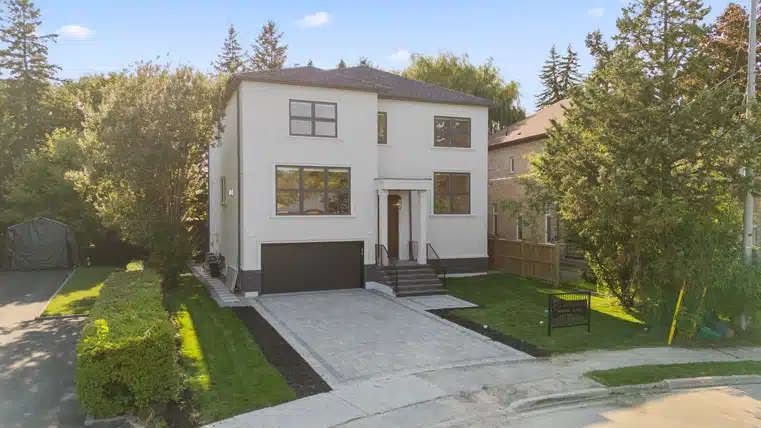
Navigating the Most Expensive Parts of Building a Custom Home
Building a custom home is an exciting endeavor, but it often comes with significant costs. If you’re contemplating this journey, you might find yourself asking: what is the most expensive part of building a home? The answer, of course, varies depending on the specifics of your project, but understanding the most costly aspects of home construction can help you make informed decisions and keep your budget in check. Considering the custom home building cost in Toronto, let’s take a closer look at the key areas where costs can add up and explore how you might manage or reduce these expenses.
1- The Lot: Setting the Stage
The land on which you build your home forms a substantial portion of your overall budget. It’s not just the purchase price of the lot itself but also the associated costs, such as surveying, inspections, and connecting utilities like plumbing and electricity. You can save money by choosing a lot in a less desirable area, but this may lead to additional costs for infrastructure, such as roads and driveways. Striking the right balance is crucial, and seeking professional advice when selecting your lot can be invaluable.
2- The Foundation: A Critical Investment
One of the most significant expenses in building a home is pouring the foundation. This cost is influenced by the size of your home, the type of foundation required, and the climate in which you’re building. Adding a basement will naturally increase the cost. While it might be tempting to cut corners here, the foundation is critical to the long-term stability of your home, so it’s an area where quality should not be compromised.
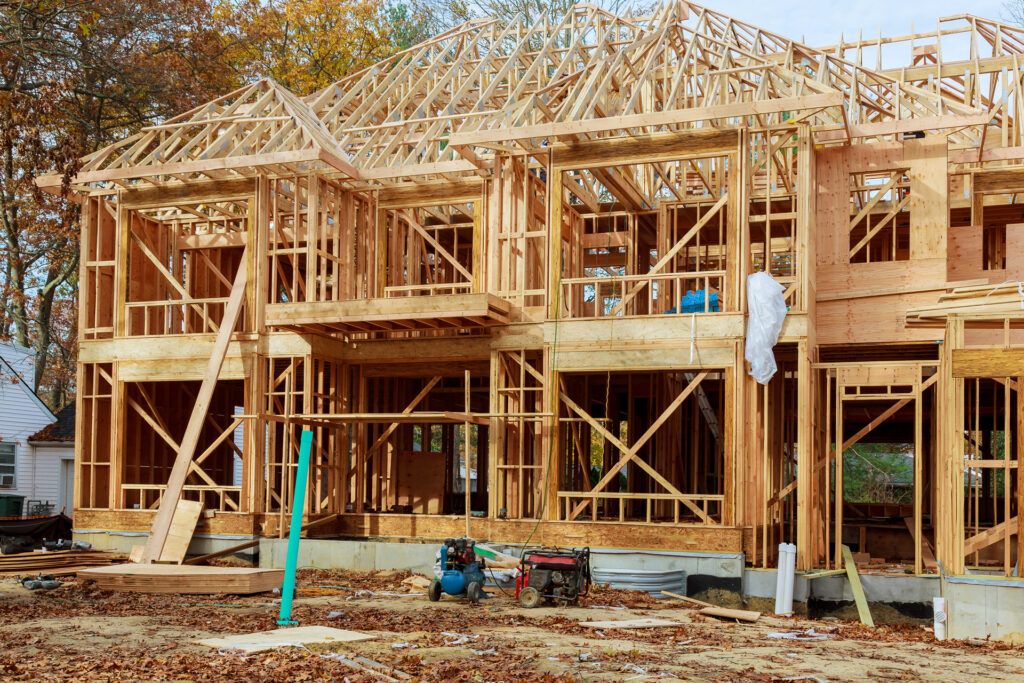
3- Framing: The Skeleton of Your Home
Framing is the process of constructing the wooden skeleton of your home, and it’s another major expense due to the extensive materials and skilled labor involved. While not as costly as the foundation or lot, framing is typically more expensive than many other construction elements. Cutting costs in framing by using lower-quality materials or less labor isn’t advisable, as this can compromise the structural integrity of your home. Some homeowners explore alternatives like building with shipping containers, but these come with their own set of challenges and are often unsuitable for larger homes.
4- Plumbing & HVAC Systems: Essential but Pricey
Plumbing, HVAC, and electrical systems are crucial to making your home functional, and they can be among the most expensive components of the build. While it’s difficult to reduce electrical costs significantly, you can manage plumbing and HVAC expenses by choosing smart designs and more affordable materials. For example, opting for less redundant plumbing systems or selecting a lower-cost HVAC system can help, though it’s important to weigh these savings against potential future repair or replacement costs.
5- Windows and Doors: Balancing Efficiency and Cost
The quality and style of your windows and doors can significantly impact both your upfront costs and your long-term energy bills. Higher-quality windows and doors offer better insulation, which can reduce heating and cooling costs over time. However, they also come with a higher initial price tag. Balancing cost and efficiency is key—investing in good-quality windows and doors can lead to savings in the long run.
6- Interior Finishes: Where Style Meets Budget
In high-end homes, interior finishes like countertops, appliances, fixtures, and flooring can represent a substantial portion of the budget. The good news is that you have complete control over these choices, allowing you to prioritize what matters most to you. Whether it’s a unique kitchen countertop or a luxurious bathroom fixture, you can choose to invest in certain areas while saving on others. A skilled home designer can help you strike the perfect balance between aesthetics and budget.
7- Exterior Finishes: Creating Curb Appeal
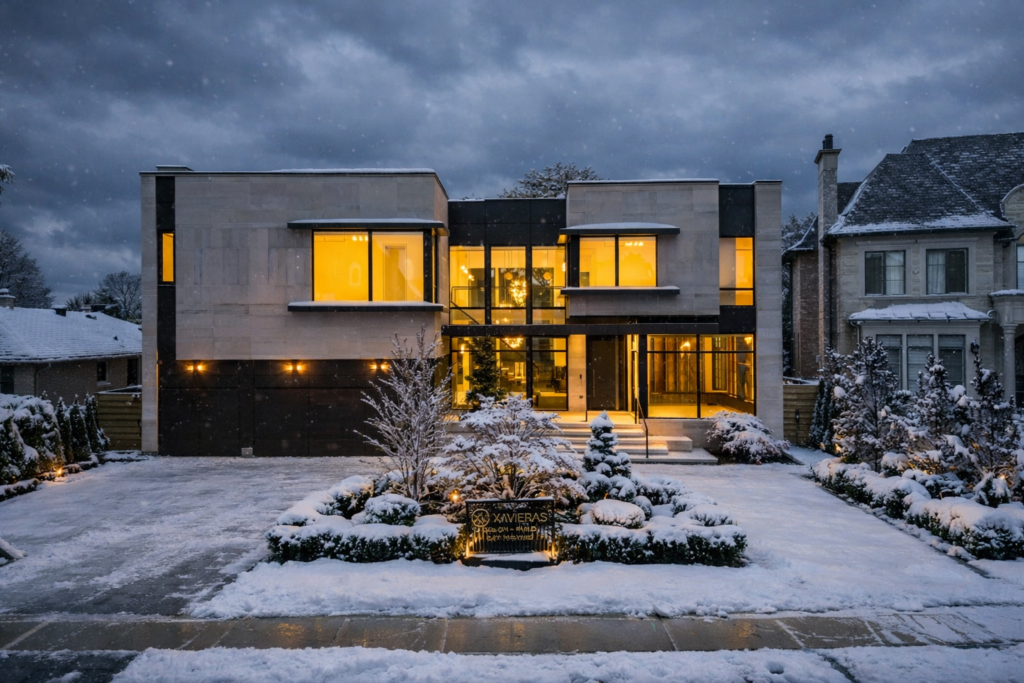
The exterior of your home is another area where costs can add up, especially if you choose premium materials like stone siding or add features such as porches, decks, pools, or elaborate landscaping. As with interior finishes, you have control over these decisions and can focus on the features that matter most to you. By making thoughtful choices, you can create a beautiful exterior that aligns with your budget.
Where Should You Cut Costs?
Knowing where to cut costs depends on your priorities. It’s essential to work with a skilled custom home interior designer and custom home builders in Toronto who can guide you through these decisions, helping you identify areas where savings can be made without compromising on quality. Whether it’s choosing a less expensive lot, opting for simpler interior finishes, or selecting cost-effective exterior features, there are many ways to manage your budget while still achieving the home of your dreams.