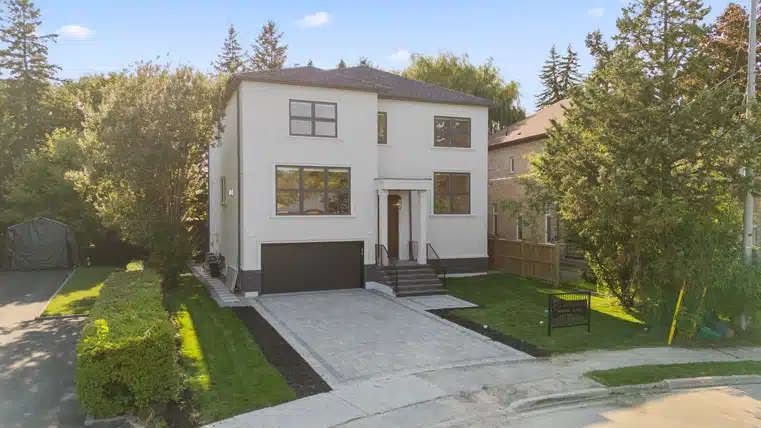
When it comes to building a custom home in Toronto, selecting the right builder is one of the most important decisions you’ll make. The builder you choose will influence every stage of your project—from initial design and planning to the final finishing touches. The best home builder Toronto residents can hire will combine exceptional craftsmanship, transparent communication, and a proven track record of delivering projects on time and within budget. Just as importantly, they will protect your investment from unnecessary risks such as construction defects, cost overruns, legal disputes, or missed deadlines.
A reputable builder is more than just a contractor—they are a partner in bringing your vision to life. They should be fully licensed, insured, and ideally registered with Tarion, Ontario’s new home warranty program, to ensure your build meets all structural, safety, and legal standards. They should also have positive builder reviews, satisfied past clients willing to provide references, and a portfolio of completed custom homes that reflect consistent quality.
With Toronto’s real estate market continuing to expand and the demand for luxury custom homes at an all-time high, due diligence has never been more critical. Knowing how to check a builder’s reputation, verify their credentials, and confirm their credibility can save you from costly mistakes and future headaches. Taking the time to research builder reviews, inspect previous projects, and ensure proper registration will help you choose a builder who not only meets your design goals but also stands by their work for years to come.
This guide will walk you through practical, proven steps to assess a builder’s reputation and credibility before you commit—giving you the confidence to move forward with your custom home project in Toronto
Table of Contents
Why Builder Reputation Matters
Choosing a credible builder impacts every aspect of your custom home project—design integrity, construction quality, adherence to timelines, legal compliance, and after-sales support. In Toronto, custom home builders are regulated by the Home Construction Regulatory Authority (HCRA) and are required to be registered with Tarion, Ontario’s new home warranty program. Tarion provides warranty protection for new homes, covering structural defects, workmanship issues, and other qualifying problems, giving homeowners legal recourse if things go wrong.
Working with a Tarion-registered builder is one of the most reliable ways to ensure accountability and peace of mind. Registration means the builder has met provincial standards, is subject to ongoing oversight, and must honour warranty obligations.
In addition to Tarion registration, professional affiliations can further indicate a builder’s credibility. Membership in organizations such as the Toronto Custom Home Builder Association, the Ontario Home Builders’ Association (OHBA), and the Canadian Home Builders’ Association (CHBA) demonstrates a commitment to high industry standards. These associations require members to follow strict codes of conduct, maintain transparent business practices, and stay current with building regulations, safety protocols, and emerging construction technologies.
Builders who are active members of these associations are often better equipped to deliver consistent quality, manage complex projects efficiently, and provide clear communication from concept to completion. When evaluating potential builders, checking both Tarion registration and association membership can give you a more complete picture of their professional standing and reliability
1. Confirm Registration with Tarion and HCRA
Begin your research with the Tarion and HCRA websites. These are the primary regulatory bodies governing home builders in Ontario. On Tarion’s website, you can:
Verify if a builder is registered and licensed
Check for any claims made against the builder
Review their history of warranty performance
The Home Construction Regulatory Authority (HCRA) provides licensing data, disciplinary actions, and builder conduct records. If a builder isn’t listed, that’s an immediate red flag.
2. Review Past Projects and Portfolio
A builder’s track record is one of the best indicators of their capability. Visit their official website or request a portfolio showcasing completed and ongoing projects. Look for:
Quality of architecture and finishing
Types of homes (modern, transitional, luxury)
Consistency in design and execution
Completion timelines
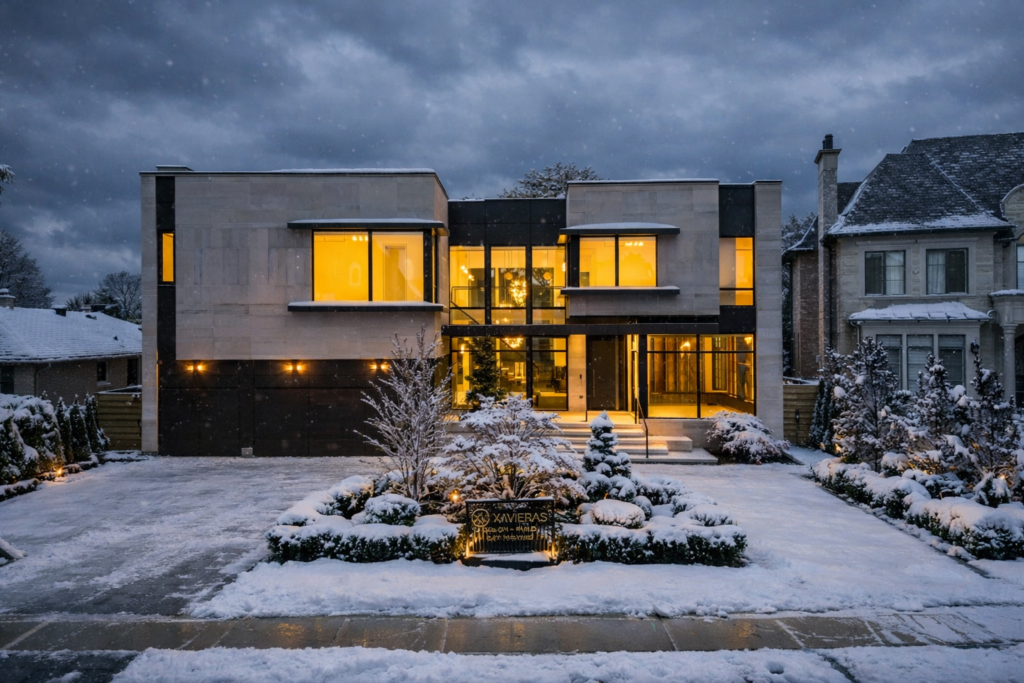
For custom home builders in Toronto, visiting sites like xavieras.ca or other builder portfolio pages can give you a clear idea of their style and expertise.
3. Visit Completed Homes in Person
Online portfolios are helpful, but nothing compares to a physical visit. Walk through a finished project if possible. Pay attention to:
Exterior and interior finishing
Material quality
Landscaping and curb appeal
Craftsmanship in details like trim, cabinetry, and flooring
If current homeowners are available, ask them about their experience with the builder—especially post-handover support and how any issues were handled.
4. Read Online Reviews and Feedback
In today’s digital age, reputation is easily accessible through reviews. Check platforms like:
Google Reviews
Homestars
Better Business Bureau (BBB)
Houzz
Real estate forums (e.g., Reddit, Toronto real estate Facebook groups)
Look for recurring themes—either positive or negative—such as delays, poor communication, cost overruns, or exceptional customer service. Keep in mind that no builder is perfect, but repeated complaints on the same issues are cause for concern.
5. Check Industry Memberships and Awards
While not mandatory, membership in industry organizations like the OHBA and CHBA suggests that a builder follows best practices and stays up to date with changing regulations and trends. Builders who receive industry awards for design or innovation tend to go above and beyond in their projects.
These recognitions reflect a builder’s dedication to quality and can give you peace of mind that you’re working with a top-tier professional.
6. Verify Legal Clearances and Documentation
Toronto has strict municipal requirements and zoning regulations. Make sure the builder can provide:
Proof of land ownership or development rights
Approved building permits and architectural drawings
Zoning and by-law compliance
Environmental clearances (if applicable)
Request to review these documents before any formal agreement. Builders unwilling to share legal paperwork may be hiding something.
7. Review Their Financial Stability
A financially sound builder is far more likely to complete your project without interruptions. Some ways to assess this:
Check how long they’ve been in business
Research their partnerships with banks, suppliers, and trades
Look for credit ratings or company reviews online
Ask how current projects are financed
If a builder regularly takes on multiple large-scale developments, it could be a sign of healthy financial operations.
8. Evaluate Post-Sale Support and Warranty Service
Customer service doesn’t end after you get the keys. One of the most overlooked aspects of builder reputation is post-sale support. Ask about:
Tarion warranty coverage (1-year, 2-year, and 7-year)
How quickly they address defects or deficiencies
Customer care team availability
Communication after handover
Talking to past clients can help you assess whether the builder is responsive and professional once the project is complete.
9. Investigate Legal Disputes or Complaints
Builders involved in frequent lawsuits or legal battles can signal trouble. To uncover this:
Use online legal databases in Ontario
Search HCRA and Tarion for disciplinary actions
Look up the builder’s name in online news archives
Also, check if they’ve had any projects halted due to zoning issues, unpaid trades, or safety violations.
10. Ask for References and Word-of-Mouth Feedback
Lastly, ask the builder for at least 3 recent references—and actually call them. Even better, get referrals from:
Real estate agents
Mortgage brokers
Architects or designers in Toronto
Family, friends, or neighbours who’ve recently built
These conversations will give you real, unfiltered feedback that online reviews can’t always offer.
Conclusion
Building a custom home in Toronto is a major milestone—and one that deserves careful planning when it comes to selecting the right builder. To ensure a smooth, stress-free experience, it’s essential to evaluate the builder’s reputation and credibility from every angle. That means verifying Tarion and HCRA registration, confirming they are a registered builder with the proper licenses, and making sure their name appears in the Tarion builder search database.
Go beyond paperwork by visiting past projects, speaking with previous clients, and reading independent builder reviews. These steps will help you determine whether you’ve found a reputable home builder who delivers consistent quality and meets deadlines. If you’re looking for the best home builder Toronto has to offer, focus on those with proven experience, transparent communication, and a portfolio that reflects the style and quality you want.
Don’t rush the process. Take your time, do the research, and don’t be afraid to ask tough questions about past projects, builder credibility, and warranty coverage. A trustworthy builder won’t hesitate to provide clear answers, references, and evidence of their track record.
In the end, finding the right partner is just as important as the home you’re building. A credible, experienced builder will not only bring your vision to life but also protect your investment for years to come—turning your dream home into a reality you can enjoy with confidence