
Custom Home Building Costs in Toronto (2026)
Breaking Down Custom Home Building Costs Per Square Foot in Toronto, Ontario 2026
Average Custom Home Construction Costs
in 2026: Your Comprehensive Guide
Typical Custom Homes
$350–$450 per sqft
Mid-Range Custom Homes
$450–$650 per sqft
Luxury Custom Homes
$650–$900+ per sqft
Costs vary based on site conditions (demolition, soil, access), approvals (zoning, Committee of Adjustment, heritage), design and structure (spans, steel, underpinning), mechanicals (HVAC, insulation performance), and finish level (kitchens, baths, millwork, exterior cladding). The biggest budget swings usually come from sitework, structural scope, and finishes.
- These ranges reflect construction costs only and exclude land acquisition.
Building a new home in Toronto is exciting—but budgeting needs to be clear from the start. In 2026, custom home construction costs in Toronto commonly range from $350 to $900+ per sqft, depending on site conditions, approvals, design complexity, and finish selections. Working with an experienced custom home builder in Toronto helps keep decisions organized—from permits and drawings to materials and project management—so costs stay predictable.
Land Acquisition Costs in (Toronto/GTA)
Land is usually the biggest expense in a Toronto custom-home project and it’s separate from construction pricing. Your $400–$900+ per sq ft range covers construction only, not the lot.
Established High-Demand Areas
Typical lot price:
$2.0M – $4.0M
Examples: Leaside, Bedford Park, North York
Prime Luxury Areas
Typical lot price:
$4.0M – $8.0M+
Examples: Forest Hill, Lawrence Park, The Bridle Path
In early 2026, the average detached home price across the GTA was $1,277,915 (down about 7% year over year) (Source: TRREB, January 2026). This shift highlights why it’s so important for prospective homeowners to understand the true cost of building a house in Ontario. With the right planning, you can align your budget with your goals and create a home that balances style, functionality, and long-term value.
Land values in Toronto vary significantly by neighbourhood, frontage, and redevelopment potential. Prime areas like Forest Hill and Lawrence Park command multi-million-dollar lot prices, while established and transitional neighbourhoods may offer lower entry points. Because market conditions shift regularly, lot pricing should always be verified against recent comparable sales. Partnering with an experienced builder early helps confirm feasibility and avoid costly approval or servicing surprises.
Construction Cost Breakdown by Home Size
Understanding construction pricing helps you plan a custom home in Toronto with confidence. The estimates below reflect construction costs only (land excluded) and provide a simplified comparison across common home sizes and build tiers.
| Size of Home | Low-Cost Average (Based on $350 per sq ft) | Medium-Cost Average (Based on $500 per sq ft) | High-Cost Average (Based on $750 per sq ft) |
|---|---|---|---|
| 2,000 sq ft | $700,000 | $1,000,000 | $1,500,000 |
| 2,500 sq ft | $875,000 | $1,250,000 | $1,875,000 |
| 3,000 sq ft | $1,050,000 | $1,500,000 | $2,250,000 |
| 3,500 sq ft | $1,225,000 | $1,750,000 | $2,625,000 |
| 4,000 sq ft | $1,400,000 | $2,000,000 | $3,000,000 |
| 4,500 sq ft | $1,575,000 | $2,250,000 | $3,375,000 |
| 5,000 sq ft | $1,750,000 | $2,500,000 | $3,750,000 |
Build With Confidence: Transparent Custom Home Pricing in Toronto
At Xavieras Custom Homes, we specialize in luxury custom home construction across Toronto and the Greater Toronto Area. As a full-service design-build custom home builder in Toronto, we provide clear and structured guidance on custom home construction costs—so you understand exactly what to expect before your project begins.
Building a custom home is a significant investment. Our approach focuses on clarity, planning, and long-term value from the very first consultation.
What Sets Our Process Apart
• Clear cost breakdowns with no hidden surprises
• Structured budgeting aligned with your design goals
• Permit management and municipal coordination
• Architectural planning integrated with construction execution
• Long-term value-driven craftsmanship
How Custom Home Design Impacts Construction Costs
In 2026, the design, layout, and architectural details of a custom home significantly influence total construction costs. The decisions made during planning directly affect materials, labor, timelines, and long-term value. Key considerations include:
Architectural Complexity
Homes with intricate rooflines, large spans, custom ceiling details, curved walls, or extensive glazing require additional engineering, framing precision, and specialized trades. Simpler layouts typically reduce structural costs, while highly customized designs increase build time and labor intensity.
Material Selection
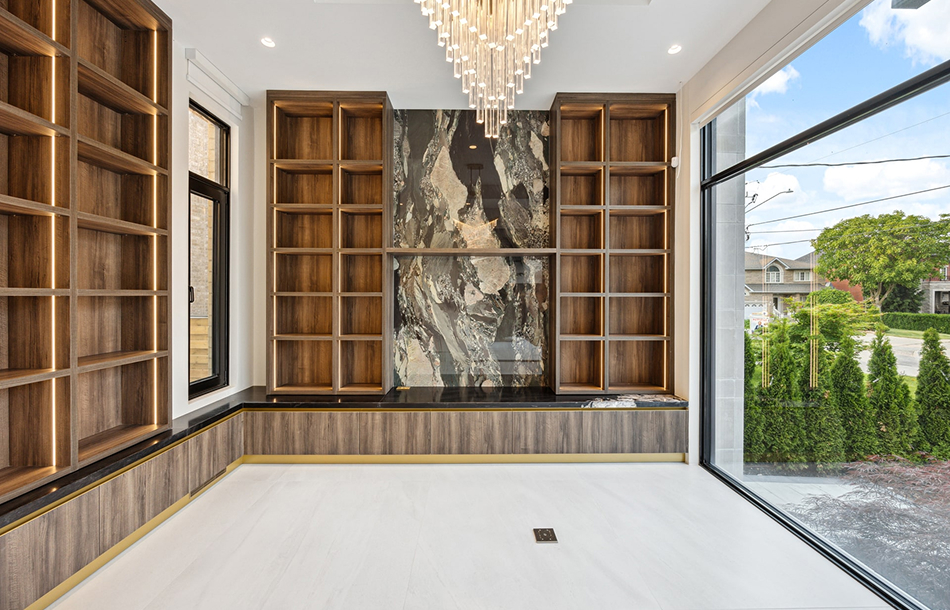
Exterior finishes, window systems, flooring materials, cabinetry, and millwork choices dramatically impact pricing. Premium materials improve durability and resale value but increase upfront investment. Strategic material planning helps balance luxury and budget efficiency.
Structural Features
Basement depth, ceiling heights, open-concept layouts, steel beams, and custom staircases all influence construction complexity. Larger structural spans require reinforced framing and engineering review, which adds cost but enhances architectural impact.
Sustainability Measures
Energy-efficient systems, upgraded insulation, triple-glazed windows, radiant heating, and smart home integration raise initial costs but reduce long-term operating expenses. Sustainable design choices often improve both comfort and long-term property value.
Careful planning with an experienced design-build custom home builder in Toronto ensures that aesthetic ambition aligns with realistic construction budgeting—allowing you to build intelligently without compromising quality.
Factors Impacting Custom Home Building Costs in Toronto
The process involves three primary categories:
Hard Costs – Soft Costs – Variable Costs
For example, premium materials and high-end finishes will elevate costs, while more standard selections may keep expenses within a more moderate range. Understanding these elements can help you accurately estimate your budget and avoid surprises during construction.
Hard Costs
These include tangible expenses such as construction materials
, labor, and utilities.
Soft Costs
These encompass fees for professional services, including architects
, engineers, and permits.
Variable Costs
Factors like market conditions, supply chain fluctuations, and the
level of customization or luxury you choose also affect the final price.
Key factors affecting home construction costs in Toronto
Excavation and Site Grading
The initial costs for excavation and preparing the site are generally consistent among custom home builders. The size of the house plays a significant role in determining the expenses for this stage, with larger homes requiring more work and consequently increasing the cost of construction in Toronto.
Framing
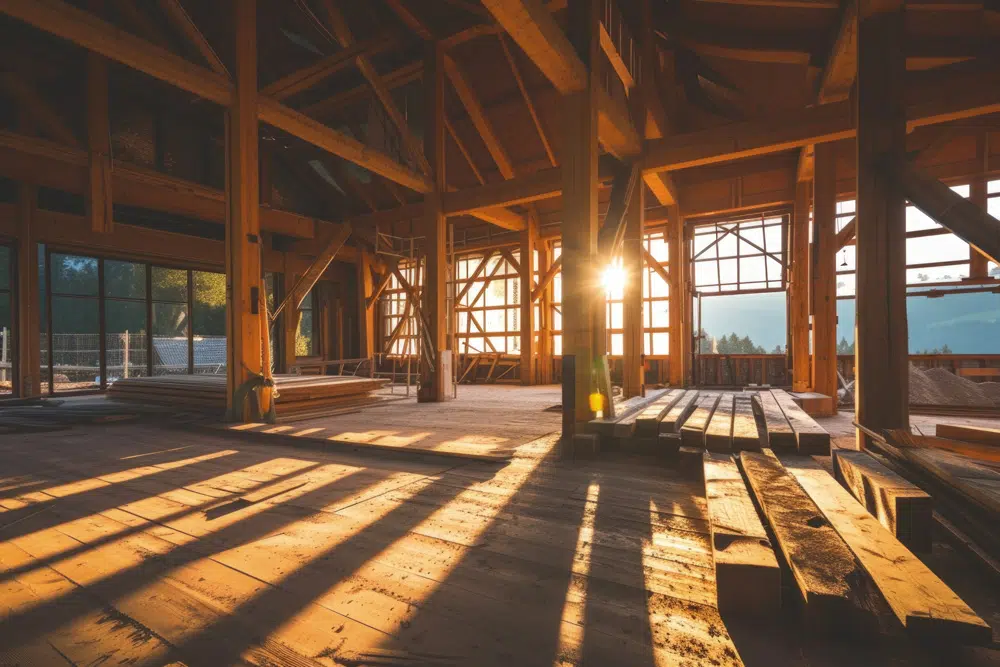
The framing stage shapes the basic structure of your dream home, encompassing the construction of walls, floors, and roof supports. Following the installation of the roof decking and the exterior walls, a house-wrap barrier is applied. This crucial layer serves to block moisture from penetrating the newly built sections. With the framing in place, it’s time to install the roof, all exterior siding, doors, and windows. This phase is vital to complete before starting on the interior, as it ensures the building is waterproofed and protected from the elements.
Foundation and Footings
Establishing the foundation of your home includes the processes of excavation and grading, where the dimensions of your home significantly influence your financial planning. Moreover, the depth of excavation necessary for the basement, along with the quantity of forms required for laying the foundation and constructing the footings, also plays a crucial role in determining the overall costs.
HVAC, Plumbing, and Electrical
This phase involves the installation of all mechanical systems within the new home. Electrical wiring and plumbing pipes are laid out in accordance with the architectural plans. The heating, ventilation, and air conditioning (HVAC) system is also put in place. The cost implications at this stage are influenced by the number and complexity of features being installed. This encompasses the sewer system, drainage, HVAC vent pipes and ductwork, connections for the incoming water line, and the piping network for hot and cold water delivery to all fixtures in the house, including sinks, baths, taps, showers, and toilets. Following the completion of this stage, the project must pass three additional inspections and receive approvals for the plumbing, framing, and electrical HVAC systems. Only after these approvals can the interior finishing work begin.
Insulation
Given Canada’s extreme weather conditions, with its mix of intense heat in the summer and severe cold in the winter, insulation becomes a critical component in the construction process in Toronto. Effective insulation is key to energy conservation and maintaining optimal living conditions inside the home. The choice of insulation material and the R-value it provides are significant factors that will influence the overall cost of building a house. Options for insulating walls and attics include foam board panels, fiberglass, mineral wool, cellulose, spray foam applied to a specific thickness, and various types of insulated panels. Selecting the right insulation is essential for combatting Toronto’s harsh temperatures and ensuring a comfortable and energy-efficient home.
Drywall and Taping
At this stage, your home’s framework is concealed, and the distinct spaces within it begin to emerge. This phase encompasses the installation of drywall, along with the application of tape and any textures that add character to doorways, ceilings, and walls, as well as elaborate finishes. Following the drywall setup, a primer coat of paint is applied, setting the stage for the final layers of paint in your chosen custom colors. Concurrently, the finishing touches on the exterior can get underway, including any remaining stucco, brickwork, or stone detailing. This part of the process transforms the construction site into a house, hinting at the personal touches that will make it a home.
Flooring
The type of flooring you select plays a significant role in the overall budget for building a house. Different materials and their quality grades come with varying price tags. For instance, hand-scraped engineered hardwood is generally more expensive than luxury vinyl tiles (LVT). Each flooring option offers distinct advantages and aesthetics, but it’s important to consider how the cost of these materials aligns with your budget and design preferences.
Countertops
The choice of countertops for various areas in your home can significantly influence the construction budget, depending on the quantity and type of material selected. Options range from ceramic, granite, stone tile, porcelain, to marble, including those used for kitchen counters. The cost of these materials is affected by their type, quality grade, and place of origin. For example, a level 3 granite sourced from Spain is likely to be pricier than a grade 1 level granite. When planning your home’s interior, it’s crucial to weigh the aesthetic appeal and durability of these materials against their cost to ensure they meet both your design vision and budget.
Cabinets and Millwork
The choice of cabinetry design, including custom walk-in closets, built-in media units, and home offices, can significantly affect your custom home’s cost. The complexity and detail of the millwork increase the expense. Detailed designs and high-quality materials lead to higher costs, emphasizing the need for careful budgeting to balance customization with your overall project budget.
Trim
In this phase of the Toronto home building journey, the house transitions into its final, visible form with the addition of finishing touches. The interior comes to life as cabinets, baseboards, mouldings, stairs and banisters, door casings, windowsills, interior doors, and mantels over fireplaces are installed, along with any other decorative trim. This stage marks the transformation of the construction into your future home, showcasing its design and character.
Material Fixtures
At this point, the house nears readiness for occupancy. Essential fixtures including switches, heating and air conditioning units, outlets, light fixtures, and electrical panels are all fitted. In kitchens and bathrooms, installations of faucets, toilets, sinks, as well as shower doors and mirrors, finalize the spaces. This stage completes the house, making it ready for you to move in and start your new chapter.
Driveways, Walkways, and Patio
Landscaping and the addition of final outdoor touches are typically carried out towards the end of the custom home construction process. This timing helps to avoid any potential damage from vehicles and construction equipment. The overall costs for these finishing touches are influenced by the project’s size, the labor involved, and the materials chosen. This careful planning ensures that the exterior of your home complements its interior, marking the completion of your custom-built home.

Breaking Down the Costs of Building
a Custom Home in Toronto
Delivering unparalleled expertise in custom home building, thoughtful major renovations, comprehensive development, and creative interior design to actualize your exquisite dream home.
| Key Elements of Building Your Custom Home | Percentage Breakdown of Custom Home Construction Costs |
|---|---|
| Foundation, Excavation, Framing, Footings, Rough Exterior, Finish Exterior, Roof (including eaves, fascia, soffit) | 40–45% |
| Windows and Doors | 10–15% |
| Plumbing, Electrical, HVAC – rough and finish | 10–15% |
| Insulation, Paint, Drywall | 10–15% |
| Interior Doors, Counters, Cabinets | 10% |
| Deck, Railings, Glass | 5% |
Cost Breakdown for Building a 2,000 SqFt
Detached Custom Home in Toronto
A detailed cost analysis for a 2,000-square-foot custom home in Toronto reflects average pricing for standard design choices and common construction materials. Since final costs vary by lot conditions, approvals, structural requirements, and finish selections, reach out for a personalized, no-obligation quote for a more precise estimate.
| Components | Average Budget % | Starting Cost |
|---|---|---|
| Demolition/Excavation | 4% | $32,000.00 |
| Footings/foundation | 6.5% | $52,000.00 |
| Framing | 17% | $136,000.00 |
| Roofing Cover | 6% | $48,000.00 |
| Doors / Windows | 6.5% | $52,000.00 |
| Soffit / Fascia / Eaves | 3% | $24,000.00 |
| Rough in Electrical | 3% | $24,000.00 |
| Rough in Plumbing | 3% | $24,000.00 |
| Rough in Heating | 4% | $32,000.00 |
| Basement Floor | 2% | $16,000.00 |
| Insulation / vapor barrier | 5% | $40,000.00 |
| Heating Equipment | 2% | $16,000.00 |
| Drywall | 5% | $40,000.00 |
| Paint/prime | 4% | $32,000.00 |
| Interior doors / casing | 3% | $24,000.00 |
| Flooring | 7% | $56,000.00 |
| Cabinets/counters | 4% | $32,000.00 |
| Finish Electrical | 2% | $16,000.00 |
| Finish Plumbing | 2% | $16,000.00 |
| Siding | 7% | $56,000.00 |
| Decks and railings | 4% | $32,000.00 |
| Totals | 100% | $800,000.00 |
Licensed & Registered in Ontario
Xavieras Custom Homes is licensed and registered in Ontario, building across Toronto and the GTA. We’re an HCRA Licensed Builder, Tarion registered (warranty applies where eligible), and backed by 5-star Google and Houzz reviews.




Planning & Soft Costs:
What Happens Before Construction Starts
Before the first shovel hits the ground, most Toronto custom home projects go through a planning phase that includes professional studies, design development, and permit-ready documentation. These “soft costs” are real project costs—and they’re what protect your timeline, approvals, and construction budget.
Site & Zoning Due Diligence
We review zoning, setbacks, lot coverage, and any Committee of Adjustment (if needed) to confirm what you can build on your property before design and permits move forward.
Architectural Design & Permit Drawings
Your architect prepares detailed drawings required for permits and pricing—floor plans, elevations, sections, structural coordination, and specifications that builders can quote accurately.
Engineering & Building Performance
Structural design, HVAC strategy, insulation targets, and building envelope decisions are coordinated early to reduce change orders, prevent delays, and improve long-term comfort and efficiency.
Approvals, Consultants & City Coordination
Depending on the lot, you may need surveys, arborist/heritage input, grading/servicing details, or other consultant reports. We coordinate what’s required and keep everything moving toward approval.
FAQ
Your questions have
been answered!
What does “cost per square foot” include for a Toronto custom home?
Most “$/sq ft” ranges refer to construction only (structure, standard finishes, trades, and basic project delivery). It may not include demolition, design/engineering, permits, development charges, landscaping, utility upgrades, financing, or HST. Always ask for a written list of included items + exclusions so you’re comparing apples to apples.
Does the build price include demolition and site prep?
Sometimes, but often it’s quoted separately because every lot is different. Demolition, excavation, tree protection, shoring, soil conditions, and site access can change scope quickly. Ask for a dedicated line item for demo + site works and what assumptions it’s based on.
How much should I budget for soft costs (design, permits, engineering)?
Soft costs typically include architectural design, structural/mechanical engineering, surveys, permit drawings, city fees, and consultant reports (when needed). A safe approach is to plan a separate soft-cost budget early, then refine it once your design and approvals path is confirmed.
Do I need Committee of Adjustment, and how does it affect cost and timeline?
If your design needs minor variances (setbacks, height, lot coverage, etc.), you may need Committee of Adjustment. That can add time and consultant work (planning support, revisions, hearing prep). The best way to reduce surprises is to do a quick zoning and feasibility review before design goes too far.
What’s a realistic contingency for a custom home build?
A contingency protects you from unknowns like hidden site conditions, scope changes, and material lead-time substitutions. Many owners set a contingency and only use it with written change approval. The right amount depends on how finalized your design is and how many allowances are still open.
What are the biggest cost drivers in a custom home?
Big swings usually come from windows/doors, structural steel/open spans, ceiling heights, staircases, kitchens/millwork, high-end finishes, and mechanical upgrades (radiant heat, high-performance envelopes). Tightening the scope early and locking selections reduces change orders and keeps pricing predictable.
How do allowances work, and why do they cause budget surprises?
Allowances are placeholders for items not chosen yet (like tile, plumbing fixtures, lighting). If final selections exceed the allowance, you pay the difference. The simplest fix is to keep allowances realistic and track them in a clear selections schedule.
Is it cheaper to renovate/add an extension or rebuild?
Renovations can look cheaper upfront, but older homes may need major upgrades (structure, plumbing, electrical, insulation, asbestos mitigation). A rebuild can be more predictable when you want a full layout change, higher ceilings, or better performance. A quick feasibility review comparing both options usually makes the decision clear.